Visible Speech
"The soul is educated through seeing."
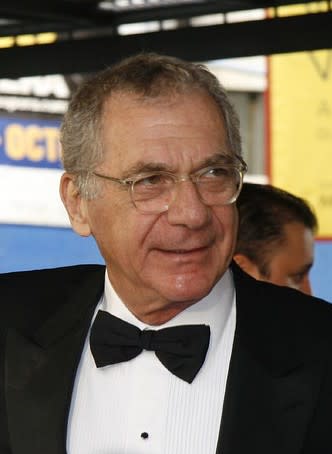
Sydney Pollack

Hollywood

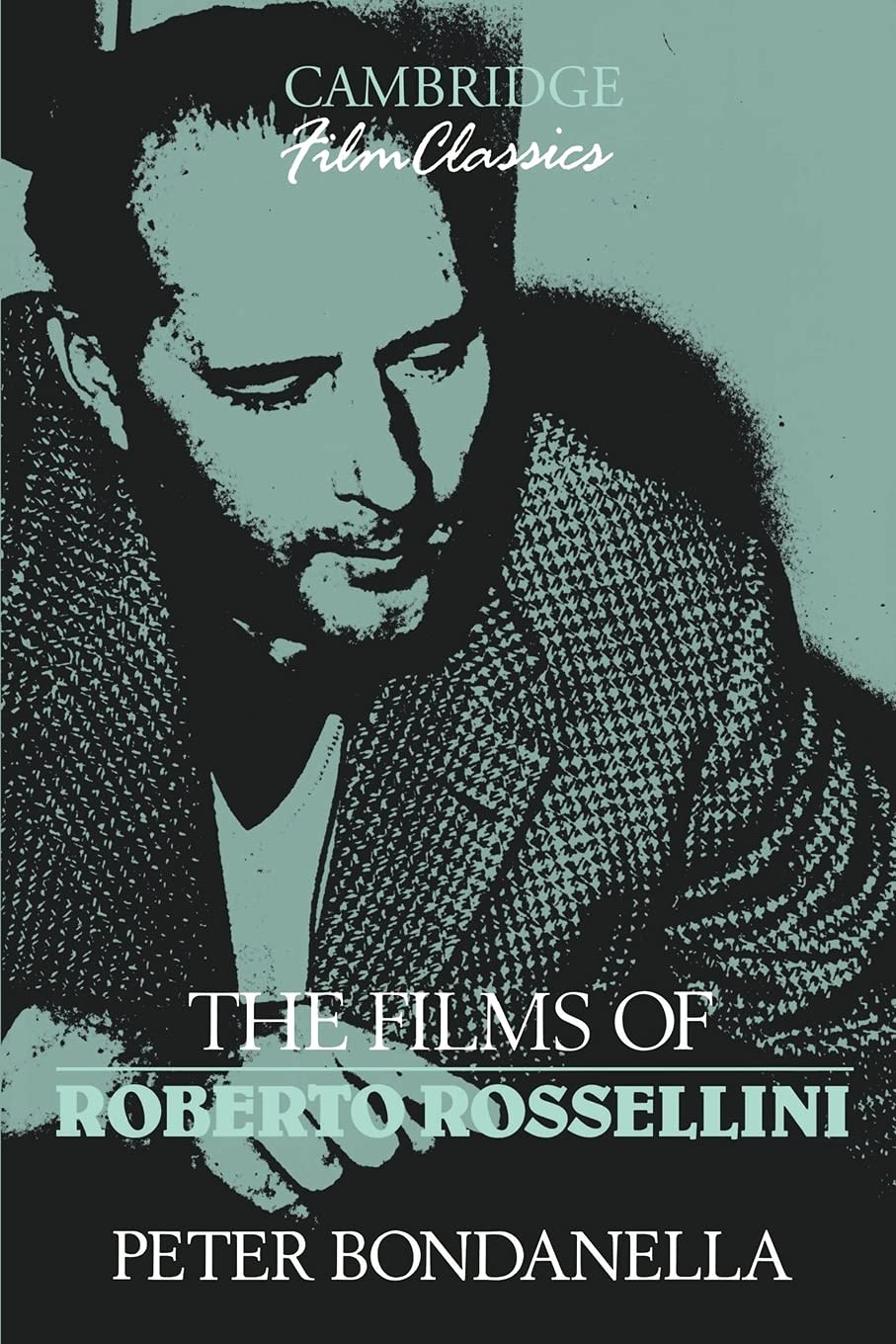
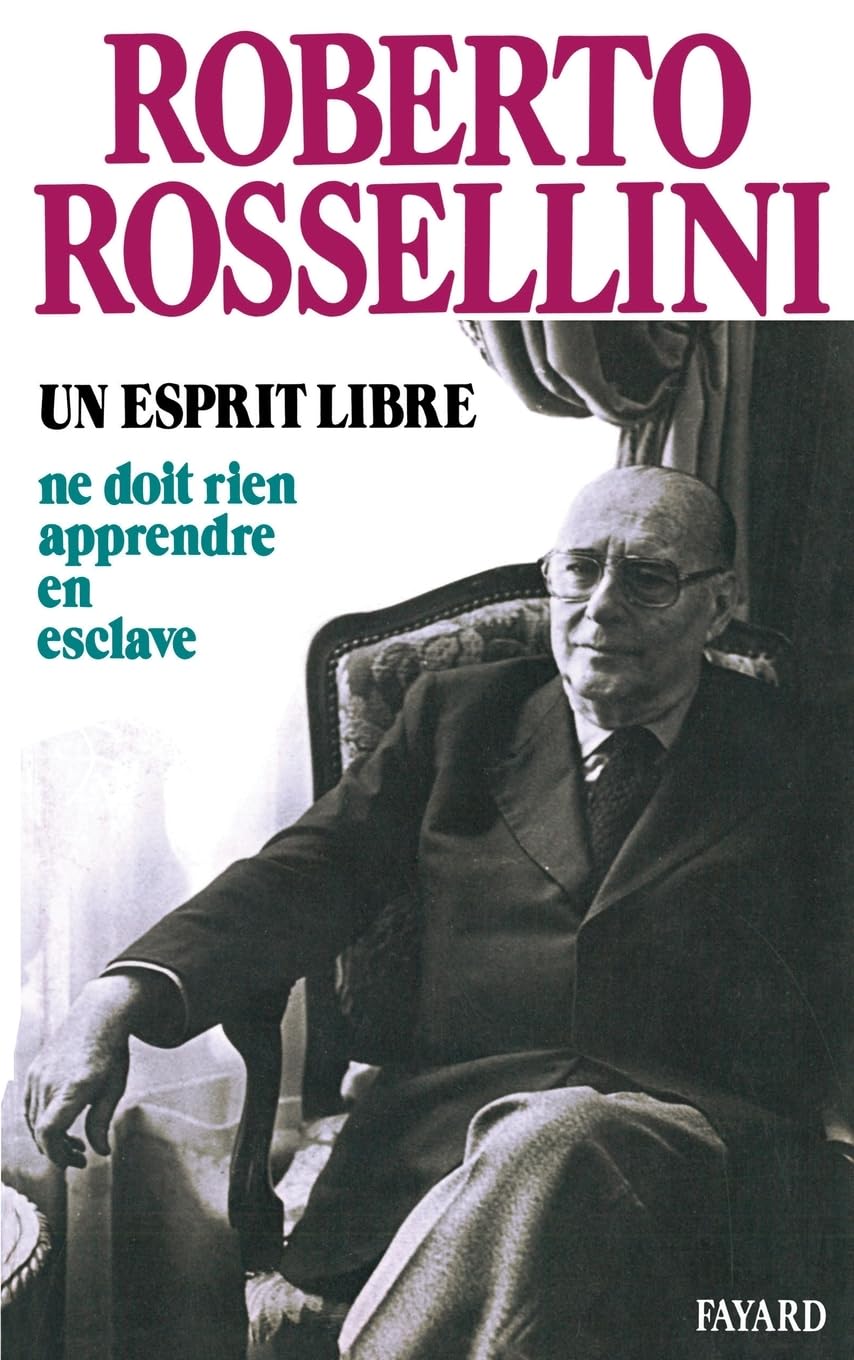
In his book, Un Esprit Libre (A Free Spirit), published in France in 1977, the year he died, Rossellini wrote of his belief that the cinema had reached a dead end. Instead he felt there was a pressing societal need for an education for the whole person in order to free people from the terrible dangers of specialization, which he saw as another form of ignorance. "We are neither ants, nor bees, nor spiders," he wrote, "and yet we have become regimented, stereotyped. . . ."[4] He believed that education today has an effect of "fixing and maintaining" what is already established in a society. He also found ridiculous educational methods that fill brains with facts while suffocating all interest into the why's of life and the world."[

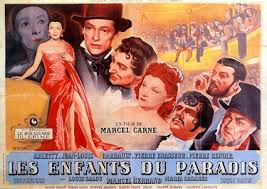
"I would give up all my films to have directed Les Enfants du Paradis", said director François Truffaut.
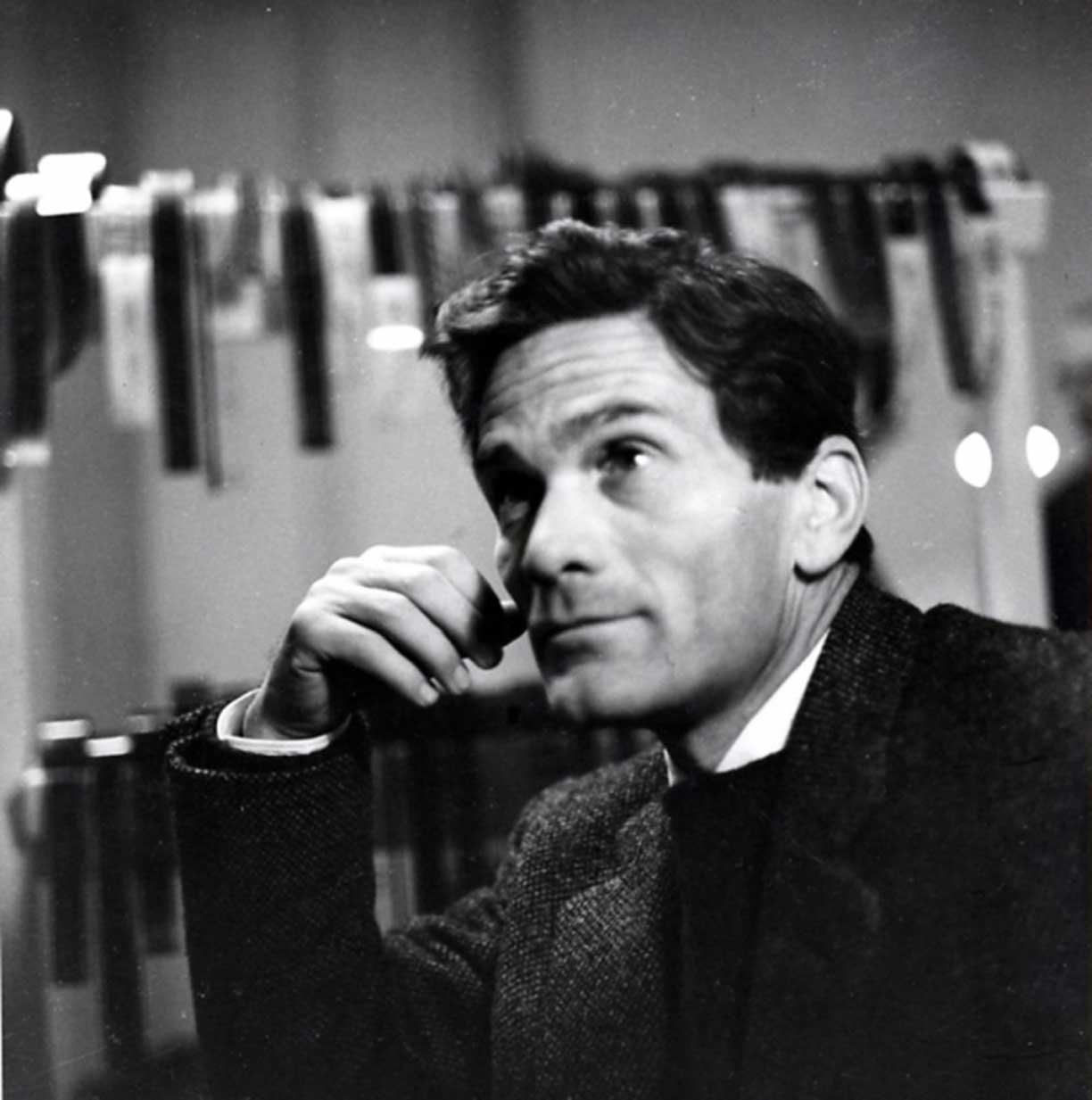
Pier Paolo Pasolini (1922–1975) is hard to place in any single cinematic lineage because he treats film less as “storytelling” than as a way to think in images—often against the grain of the culture that finances and consumes movies. He was already a major poet/novelist when he began directing, and that literary formation shows up in almost everything: his casting, his use of dialect and “low” speech, his taste for allegory and myth, and his insistence that style is never neutral.


A director I like.

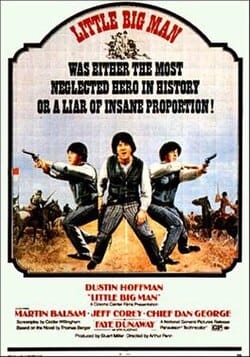
Little Big Man (1970) Dir. Arthur Penn

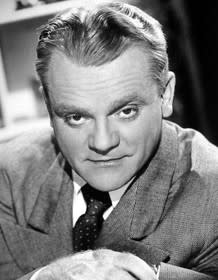
James Cagney occupies a peculiar position in American cinema. He is often remembered for velocity—rapid speech, sudden violence, restless movement—but that reputation obscures the deeper structure of his work. Cagney was not an actor of excess; he was an actor of compression. His performances operate by reduction rather than accumulation. What feels explosive is in fact tightly regulated.
Steven Spielberg: "When we first met, which was 1980, he was just finishing the construction of his sets for The Shining. When it was all over and the movie was done, I saw Stanley again. I went to his house for dinner in London, and he asked me, 'How did you like my movie?'"
Steven Spielberg: "I’d only seen it once, and I didn't love The Shining the first time I saw it. I have since seen The Shining 25 times. It's one of my favorite pictures. Kubrick films tend to grow on you; you have to see them more than once. But the wild thing is, I defy you to name me one Kubrick film that you can turn off once you started. It's impossible. He's got this fail-safe button or something."
Steven Spielberg: "But I didn't like it the first time I saw it. I was telling him all the things I liked about it, and he saw right through me. He said, 'Well, Steven obviously didn't like my picture very much.'"
Steven Spielberg: "I said, 'Well, there's a lot of things I loved about it.' He says, 'Yeah, but there's a lot of things you didn't. Probably more you didn't than you did. So tell me what you didn't like about it.'"
Steven Spielberg: "And I said, 'Well, the thing that I thought... Jack Nicholson, who was a great actor, I thought it was a great performance, but it was almost a Great Kabuki performance. It's almost like Kabuki theater.'"
Stanley Kubrick: "You mean you think Jack went over the top?"
Steven Spielberg: "I said, 'Yeah, I kind of did.' And he said, 'Okay, quickly, without thinking, who are your top favorite actors of all time? I want you to just name off some names.'"
Steven Spielberg: "So I quickly went: Spencer Tracy, Henry Fonda, Jimmy Stewart, Cary Grant, Clark Gable. He stopped me. He said, 'Okay, where was James Cagney on that list?'"
Steven Spielberg: "I thought, well, he's up there high. I said, 'Ah, but he's not in the top five.' He said, 'You don't consider James Cagney one of the five best actors around? You see, I do. This is why Jack Nicholson's performance is a great one.'"
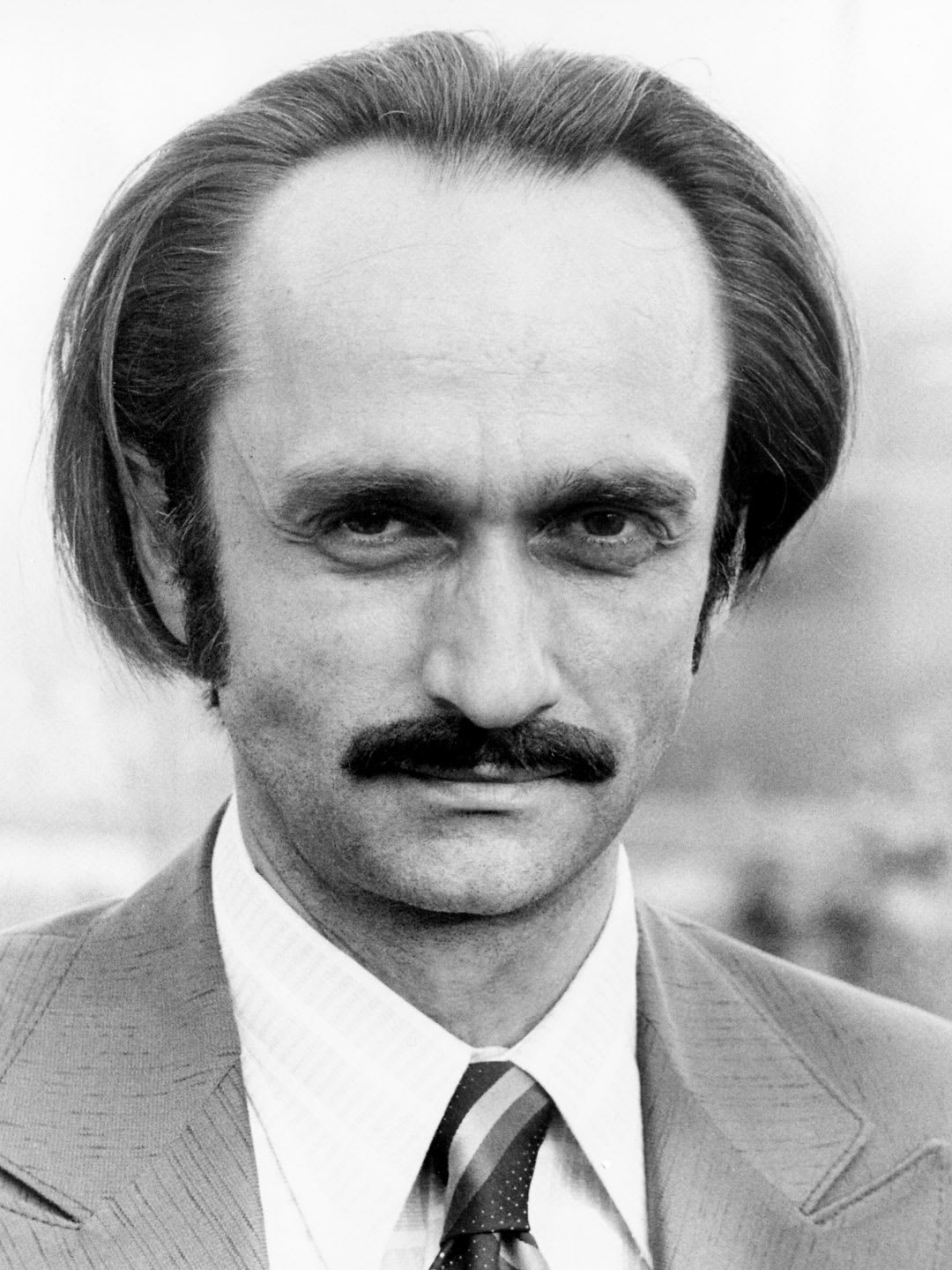
John Cazale (1935–1978) was an American character actor who holds one of the most remarkable records in cinematic history: every feature film he starred in was nominated for the Academy Award for Best Picture.
Cazale’s style is restrained, reactive, morally tense, and psychologically precise. He specializes in characters who are structurally weaker than the worlds they inhabit—and he renders that weakness without apology or spectacle. That’s why his performances linger: they feel less like acting than like a person being slowly revealed under pressure.
Al Pacino said he was one of the greatest actors he had ever worked with.

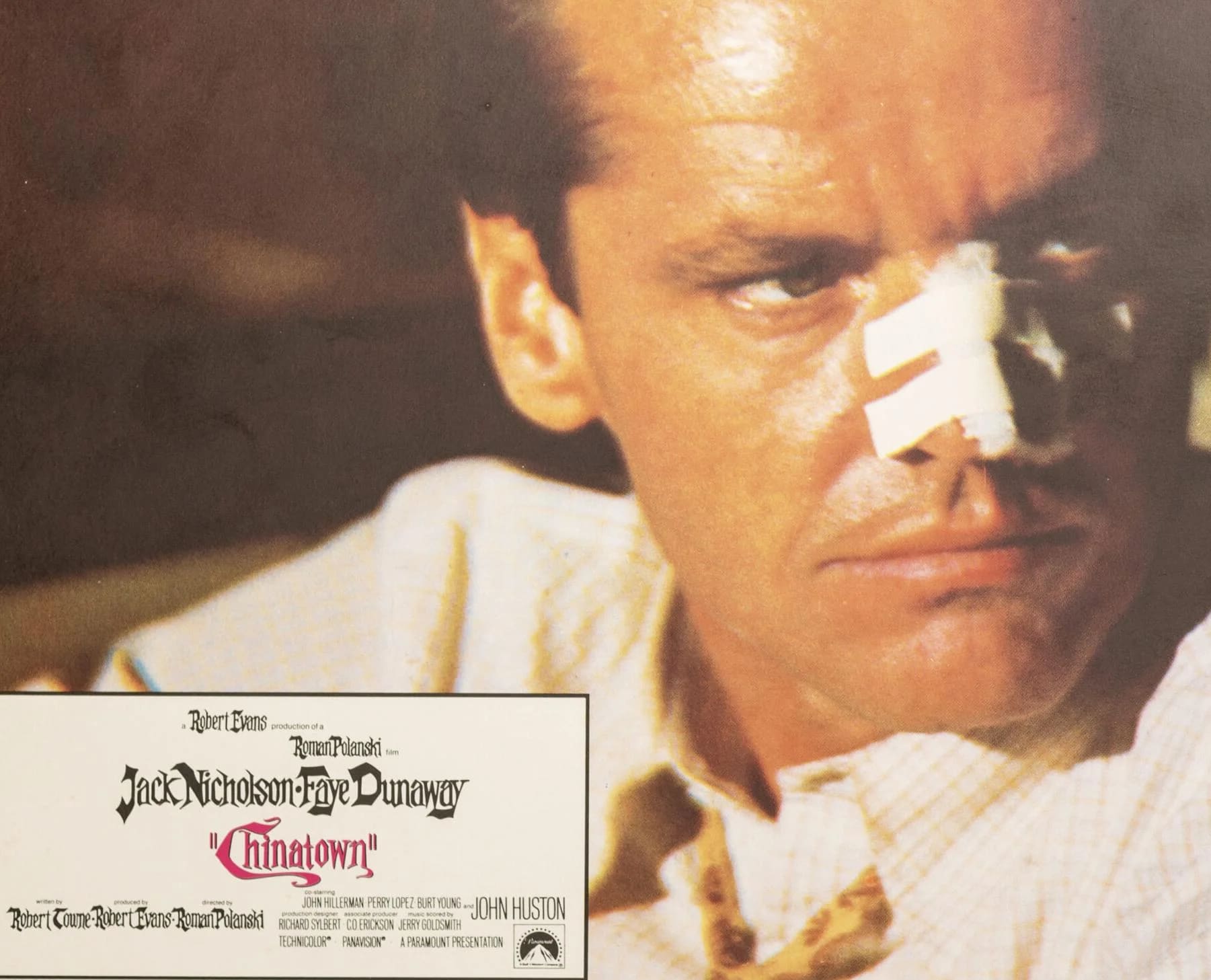
Chinatown (1974) Dir. Roman Polanski
Jack Nicholson
Faye Dunaway
John Huston
Cinema

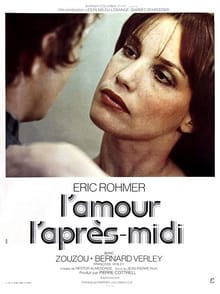
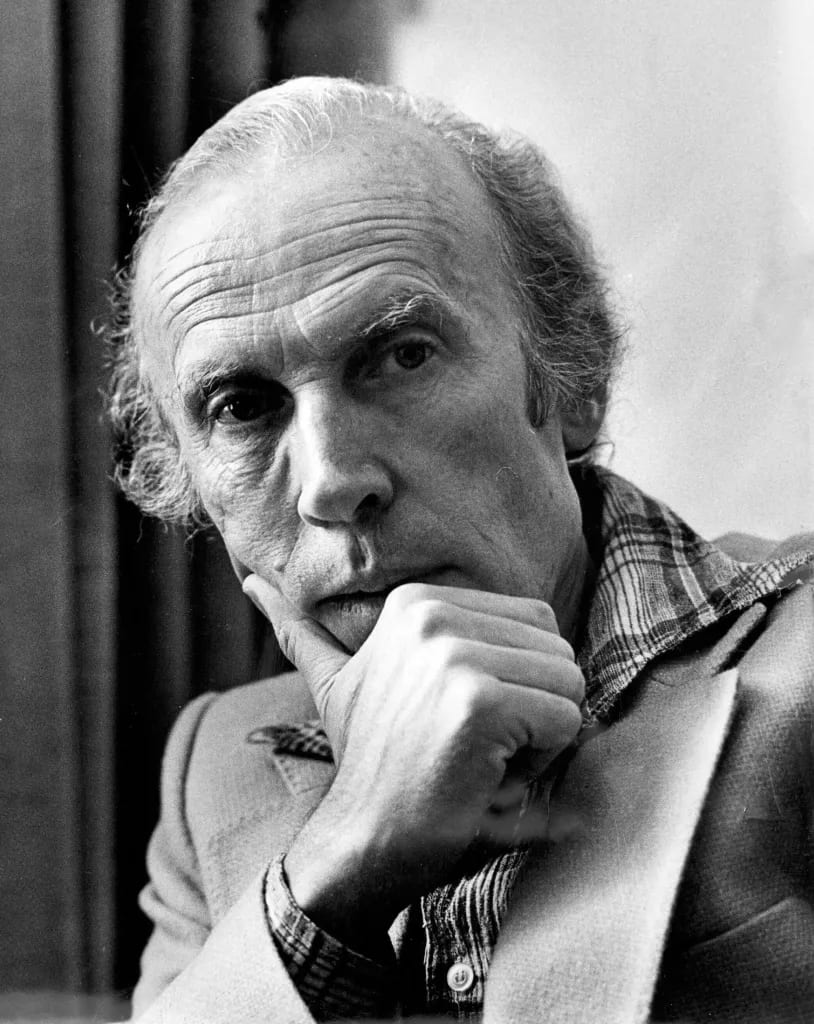
Éric Rohmer (1920–2010) was a legendary French filmmaker and a founding figure of the French New Wave (Nouvelle Vague). Born Maurice Schérer, he was an intensely private man who led a double life as a bourgeois teacher and family man while becoming a world-renowned director.
Éric Rohmer makes quiet, dialogue-driven films that treat conversation as moral action. His characters think and talk through desire rather than act on it, often using reason to justify weakness or delay. The style is naturalistic and restrained—few dramatic events, minimal technique—so that ethical tension emerges from time, hesitation, and self-explanation rather than plot or spectacle.

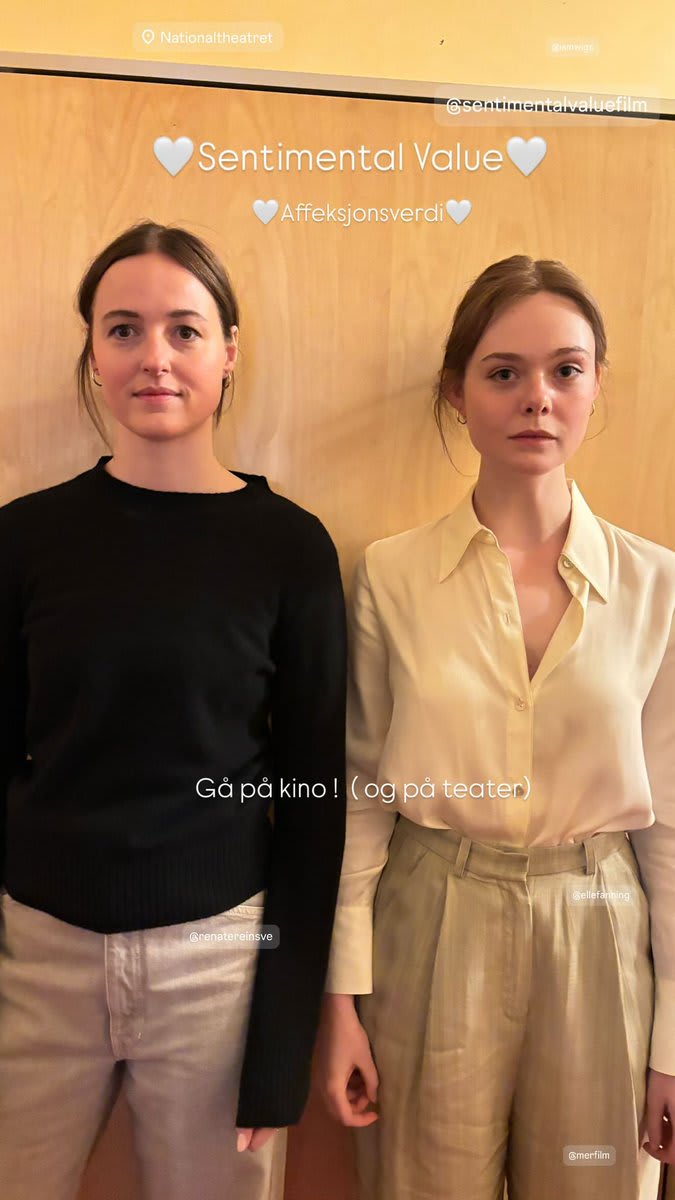
Renate Reinsve
and Elle Fanning

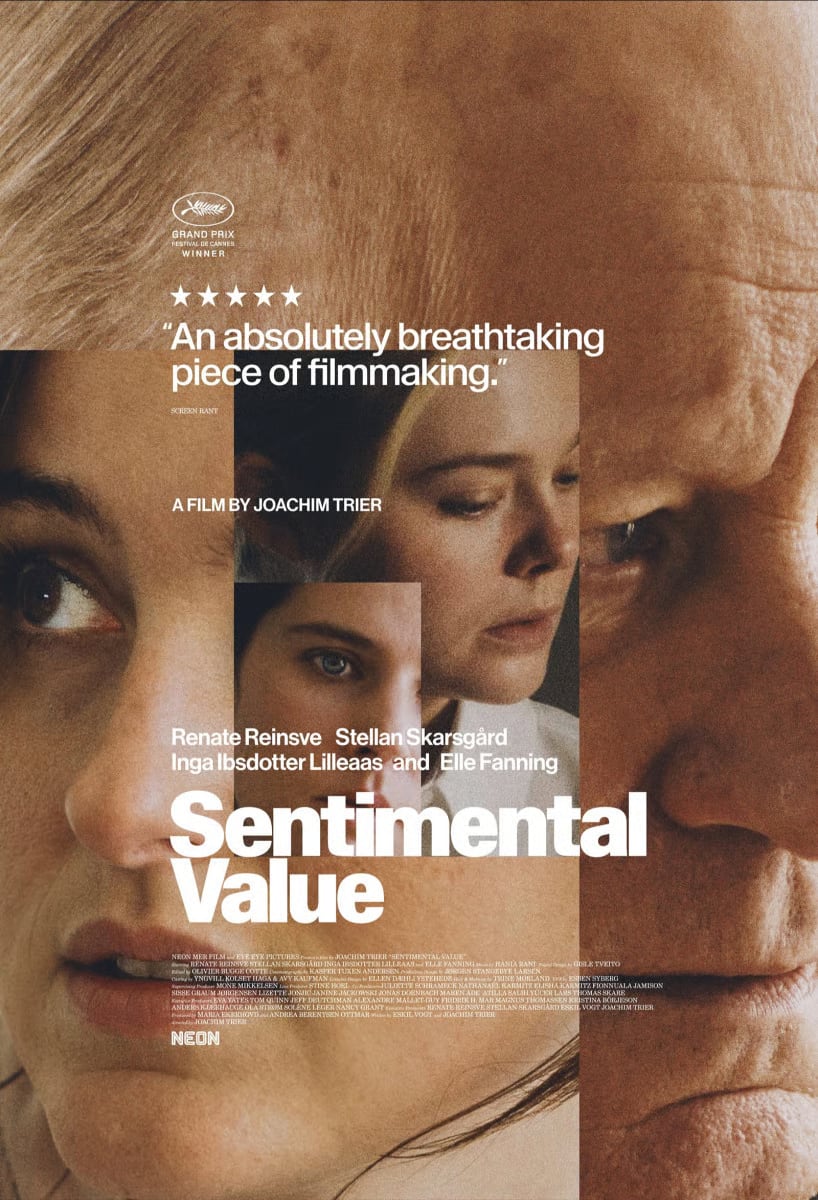
Great contemporary director.
Joachim Trier.
Renate Reinsve is great.

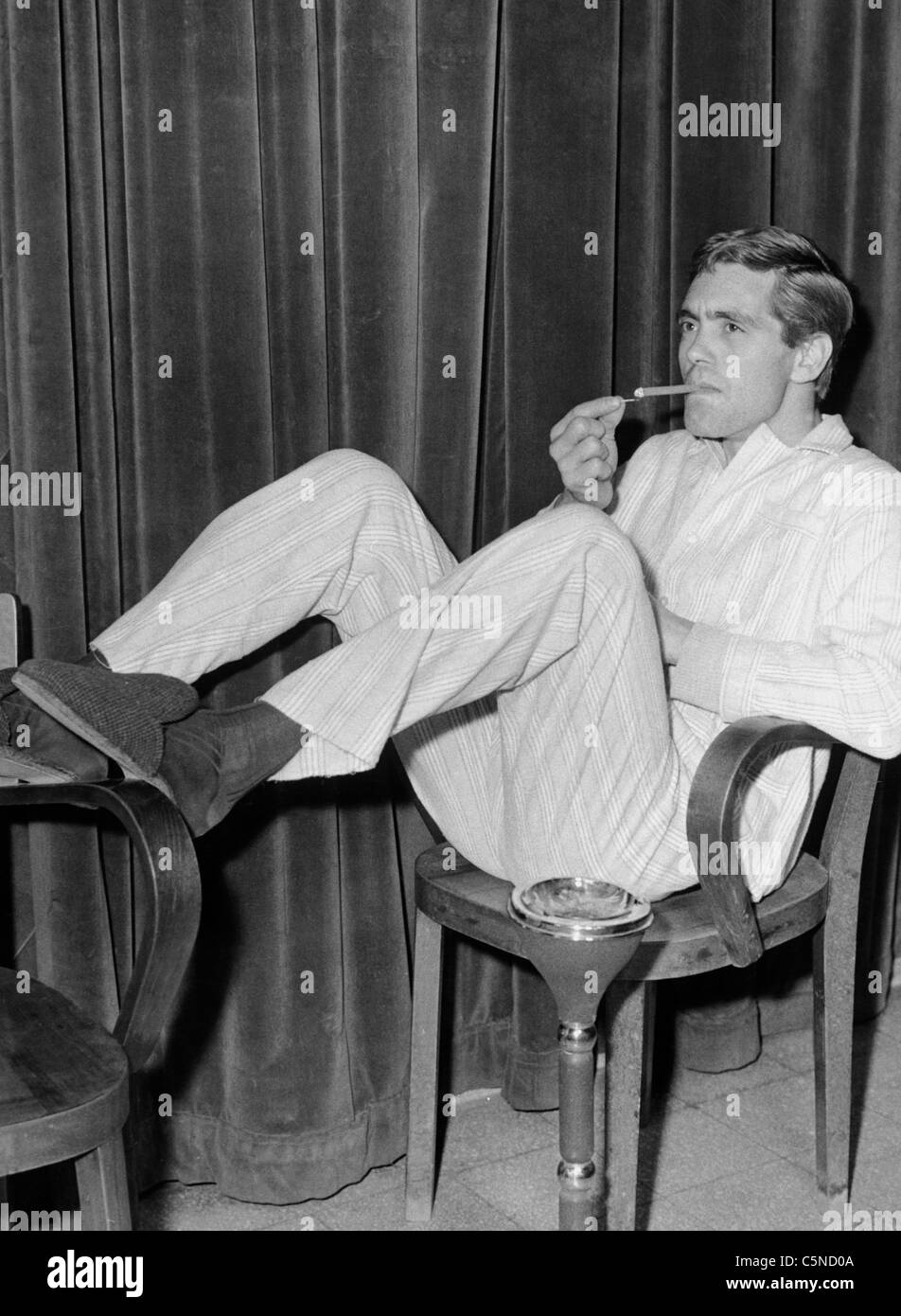
Franco Citti
Franco Citti’s acting style was defined by a raw, unrefined naturalism that stemmed from his background as a non-professional actor. Discovered by Pier Paolo Pasolini while working as a day laborer, Citti became the quintessential "face" of Italian neorealism’s gritty underclass.
Critics frequently noted his "intense screen presence" and "truculent melancholy".

Directed by Marcel Carné
Written by Jacques Prévert

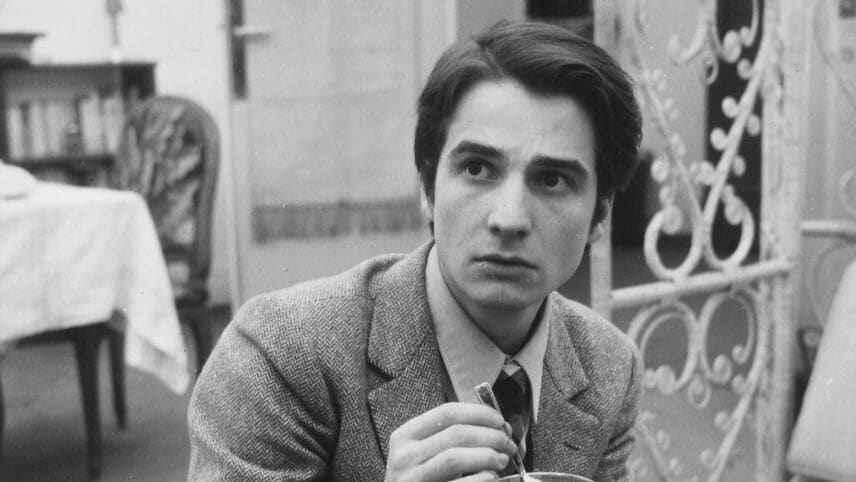
Jean-Pierre Leud
Léaud is known for a highly idiosyncratic acting style characterized by staccato diction, intense mannerisms, and a tendency toward improvisation.
My favorite actor.

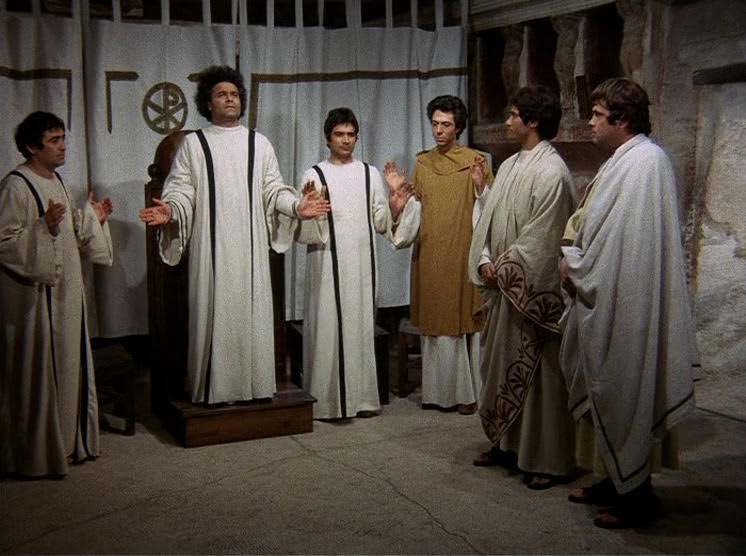
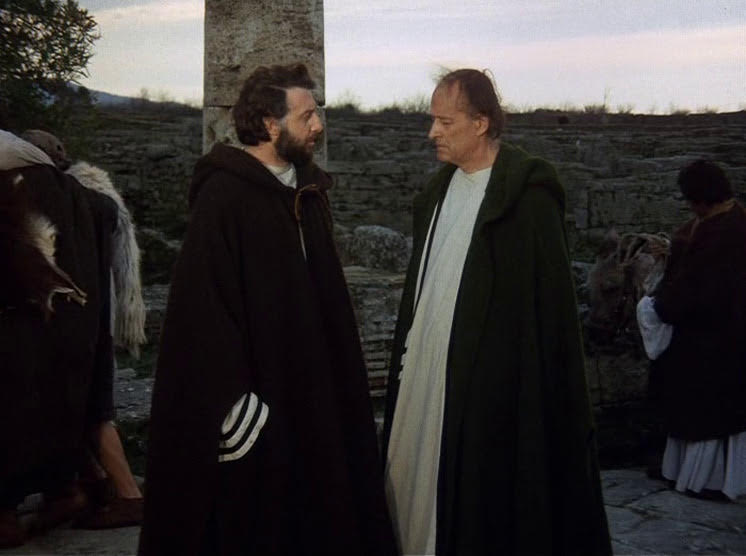
Roberto Rossellini
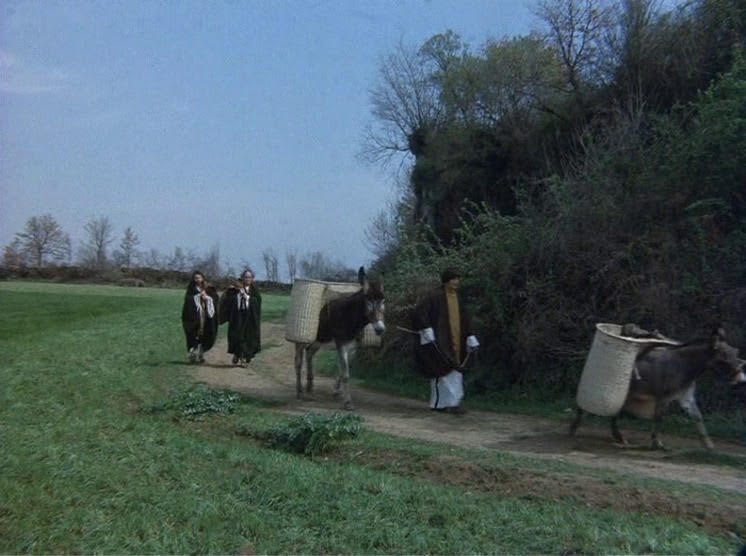
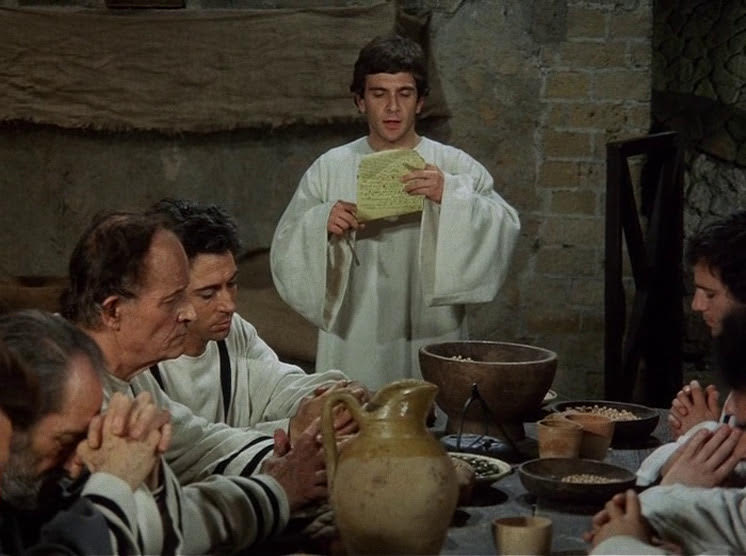
His work, characterized by its documentary-like authenticity and use of on-location shooting, revolutionized global cinema and deeply influenced the French New Wave.
My favorite director

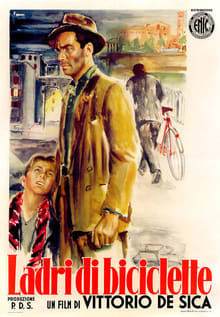
Bicycle Thieves (1948) Dir. Victorio De Sica
Cesare Zavattini
Alessandro Cicognini and
Lamberto Maggiorani
Make Cinema.

Forest Gump (1994)
Dir. Robert Zemeckis

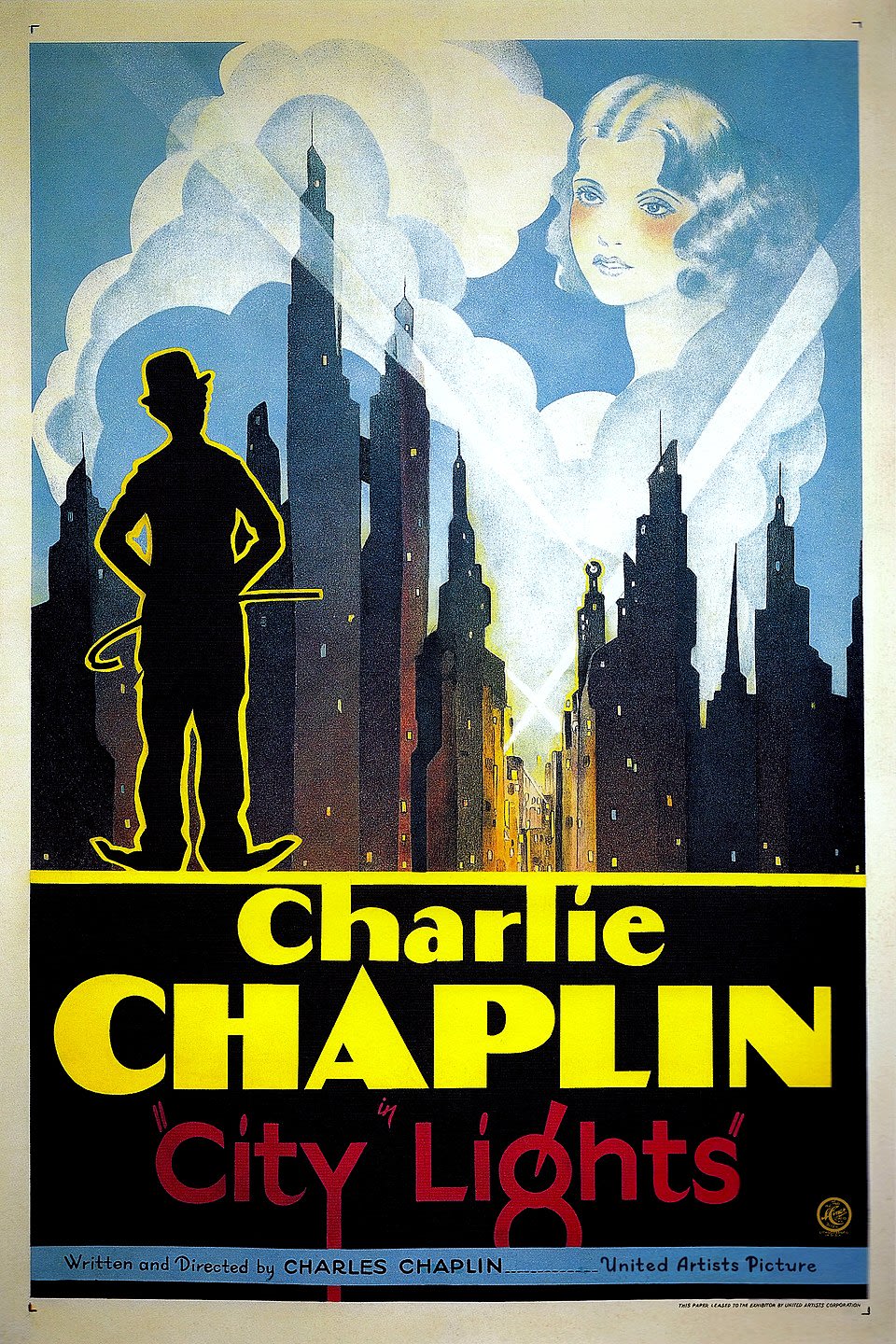
Charlie Chaplin
Cit Lights (1931)

Ingmar Bergman
Sven Nykvist
Liv Ullmann
and
Bibi Andersson....
Make Cinema!

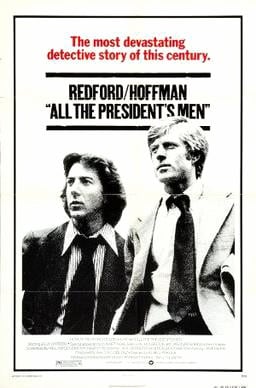
Alan J. Pakula
William Goldman
Gordon Willis
and
Robert Redford....
Make Cinema!

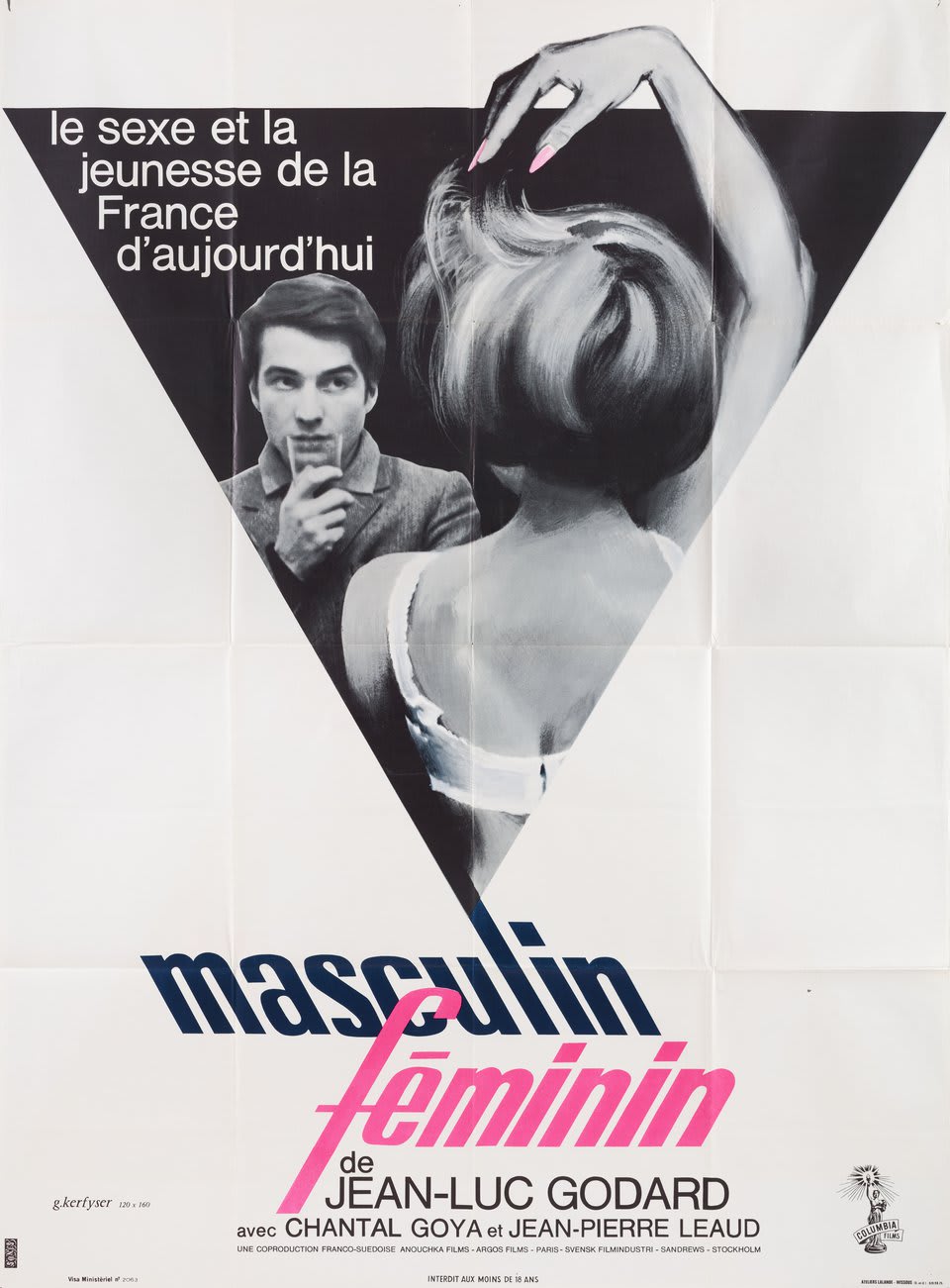
MASCULIN FEMININ (1966) dir. Jean-Luc Godard

That Obscure Object of Desire (1977)
American Graffiti (1973)
Four Nights of a Dreamer (1977)
Decameron (1971)
Antoine and Collete (1962)
The Age of the Medici (1972
Socrates (1971)
The Children are Watching Us (1946)
The Mother and the Whore (1973)
Scenes from a Marriage (1974)
Buffalo'66 (1996)